
Honest Assessment Over Sales Pressure
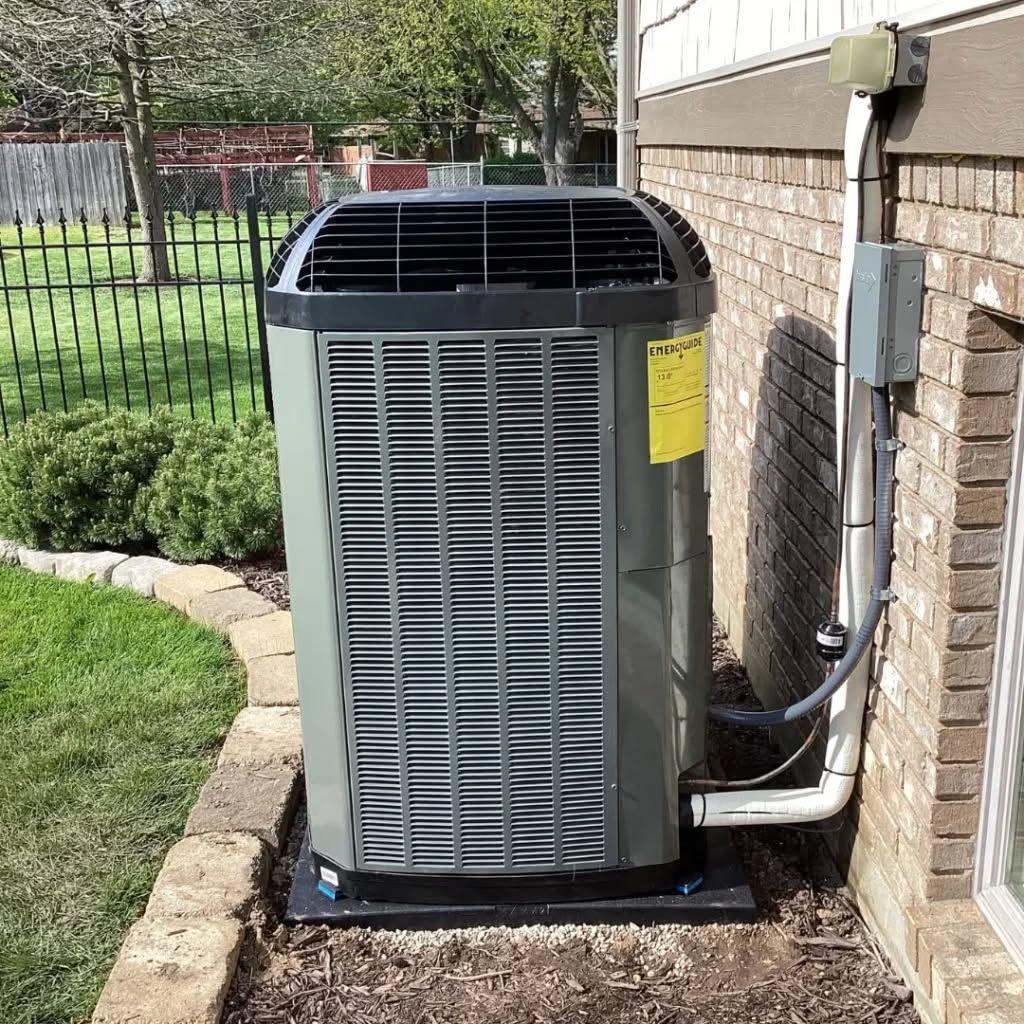
HVAC Replacement in Beaumont for systems showing efficiency loss and escalating repair costs
Desert dust storms and extreme temperature swings accelerate wear on HVAC components, creating replacement timelines that differ from coastal California standards. Arrowhead Heating & Air Conditioning evaluates system condition based on repair cost versus remaining service life, providing recommendations focused on what benefits you rather than maximizing project size. Compressor amp draw, refrigerant pressure stability, and heat exchanger integrity determine whether repair or replacement makes financial sense, with ductwork inspection included during every assessment to identify issues that affect any system's performance.
Replacement decisions account for how Beaumont's climate shortens equipment lifespan through constant summer use and the dust accumulation that degrades coil efficiency faster than in cleaner coastal environments. A system reaching 12 to 15 years in desert conditions often shows wear equivalent to 18 to 20 years in milder climates. Fair pricing means presenting actual replacement value, not pressuring replacement when repairs extend useful life at lower cost.
Arrange a system evaluation to review repair costs against replacement benefits for your current equipment.
What Proper Replacement Includes
Replacement assessment begins with measuring actual system performance, including temperature differential across coils, airflow volume at registers, and electrical consumption under load. These measurements reveal whether poor performance stems from the equipment itself or from ductwork leaks, restricted airflow, or refrigerant loss that affects any system. Ductwork inspection identifies sections where decades of thermal cycling have separated joints or deteriorated insulation, problems that reduce new equipment efficiency if left unaddressed.
Once replacement completes, your electrical bills drop as newer equipment operates at higher efficiency ratings, and indoor temperature stability improves with properly sized capacity and functional ductwork. The new system cycles appropriately rather than running continuously, and you no longer schedule repairs for recurring failures in aging components. Compressor warranties extend for years rather than the limited coverage on older equipment, reducing long-term ownership costs.
Replacement work includes removing old refrigerant according to EPA regulations, verifying electrical panel capacity for new equipment amperage, and startup testing that confirms proper airflow and refrigerant charge. Equipment selection considers desert-rated components designed for sustained high-temperature operation, not just the lowest initial cost that leads to premature failure. Locally owned and operated service means direct communication with the contractor making recommendations, not sales representatives incentivized to maximize project costs.
Common Replacement Questions
Property owners regularly ask about replacement timing and cost factors, particularly regarding how desert climate affects when systems need replacing compared to standard lifespan expectations.
What repair cost justifies replacement instead of continued repairs?
When repair costs approach 50 percent of replacement value for a system over 12 years old, replacement typically provides better long-term value, particularly if multiple components show wear or efficiency has declined significantly from rated capacity.
How does desert climate shorten system lifespan compared to coastal areas?
Constant summer operation and extreme temperature cycling stress compressors and motors, while dust infiltration degrades coil surfaces and mechanical components faster than in coastal climates where milder conditions and cleaner air reduce wear rates.
Why inspect ductwork during replacement if only the equipment is being changed?
Duct leaks waste 20 to 40 percent of conditioned air in many older installations, causing new equipment to underperform and increasing energy costs regardless of system efficiency ratings, making duct repair essential for achieving actual performance improvements.
When should replacement happen during the year for best results?
Replacement during spring or fall allows proper installation and testing before extreme temperatures arrive, though 24/7 emergency service availability means replacement can occur whenever system failure demands it.
How do you determine whether repair or replacement makes more sense?
Cost-benefit analysis compares remaining equipment life based on component condition against repair costs and efficiency loss, with recommendations based on actual system assessment rather than arbitrary age cutoffs or sales quotas.
Arrowhead Heating & Air Conditioning provides replacement recommendations based on 14 years of desert climate system experience, focusing on customer value over profit margins. Contact us to schedule a complete system assessment with honest guidance about repair versus replacement costs for your specific situation.