
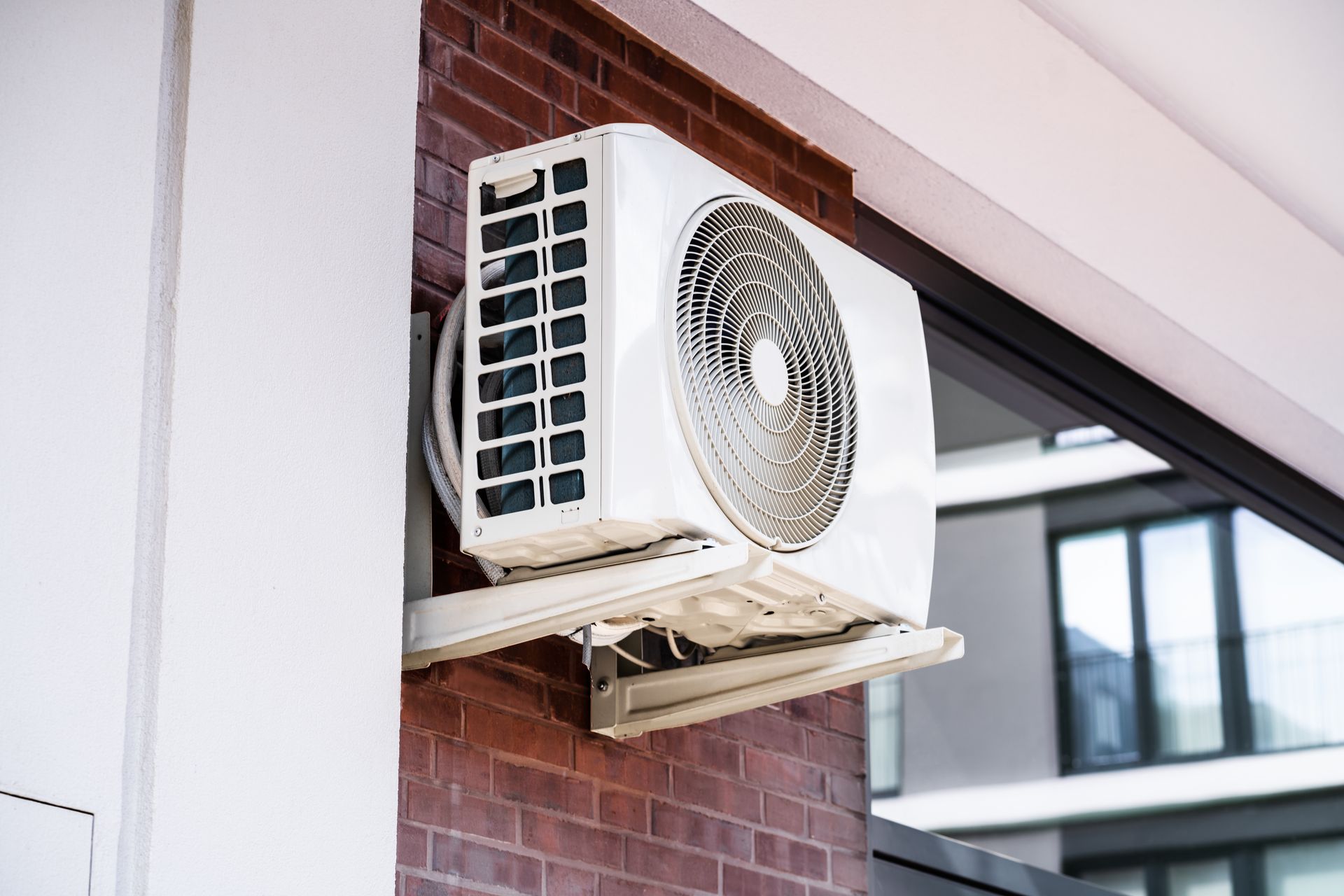
Heat Pumps Rated for Extreme Temperatures
Heat Pump Installation & Repair in Beaumont for properties experiencing desert temperature extremes year-round
When summer temperatures exceed 110 degrees and winter nights drop into the twenties, heat pump selection requires understanding equipment limitations that marketing literature doesn't address. Modern heat pumps operate in lower temperatures than older models, but Beaumont's extremes still challenge efficiency and capacity in ways that demand backup heating for the coldest nights. Arrowhead Heating & Air Conditioning recommends heat pump systems with realistic performance expectations rather than overselling technology that fails when you need it most, and explains when backup heat becomes necessary based on your specific heating requirements.
Heat pump installation involves matching equipment to your heating and cooling loads, confirming electrical service capacity for auxiliary heat strips, and selecting refrigerant charge levels appropriate for high ambient temperatures. Desert conditions stress compressors during summer operation and reduce heating capacity during winter, making equipment selection more critical than in moderate climates.
Arrange a property evaluation to determine if heat pump technology suits your heating and cooling needs.
Why Backup Heat Matters in Desert Winters
Heat pumps extract warmth from outdoor air and transfer it indoors, but this process becomes less efficient as outdoor temperatures drop—when Beaumont nights reach the low twenties, heat pump output may decrease by fifty percent compared to mild weather performance. Backup heat, typically electric resistance strips, supplements heat pump output during these extreme cold periods, maintaining indoor comfort when the heat pump alone can't keep up with demand.
After proper installation with appropriately sized backup heat, you'll notice consistent indoor temperatures even during the coldest desert nights, without the temperature drops that occur when undersized systems run continuously without reaching setpoint. Your utility bills reflect this balance—heat pumps provide efficient heating during moderate weather, while backup heat activates only during temperature extremes when efficiency matters less than maintaining warmth.
System selection also considers cooling performance during Beaumont summers, where high ambient temperatures reduce heat pump efficiency just as low temperatures do in winter. The same unit that struggles to heat during cold snaps may also struggle to cool during extreme heat, making capacity ratings at actual operating temperatures more important than laboratory specifications.
Heat Pump Questions Homeowners Ask
Heat pump questions focus on temperature limitations, backup heating requirements, and whether the technology works reliably in extreme desert conditions.
What outdoor temperature limits heat pump heating capacity?
Modern heat pumps maintain some heating output down to 0-5 degrees Fahrenheit, but capacity and efficiency drop significantly below 40 degrees. In Beaumont, this means reduced performance during winter nights in the twenties and thirties, requiring backup heat to maintain comfort.
How much does backup heat increase operating costs?
Backup electric resistance heat costs roughly three times more per BTU than heat pump operation, but typically runs only during the coldest hours representing a small fraction of winter heating. Your overall costs depend on how often outdoor temperatures drop into the range requiring backup activation.
Why do some contractors recommend against heat pumps in the desert?
Concerns stem from older heat pump technology that struggled in extreme temperatures and from contractors unfamiliar with modern low-temperature capabilities. Current heat pump technology works in Beaumont when sized appropriately and paired with adequate backup heat, but still requires honest discussion of limitations.
When does heat pump replacement make more sense than repair?
Compressor failure, refrigerant leaks requiring complete recharge, or outdoor coil corrosion often cost enough that replacement becomes economically sensible, especially if the existing system is over twelve years old. The decision depends on repair cost relative to remaining equipment lifespan and efficiency improvements available in new models.
What maintenance do desert heat pumps need compared to furnaces?
Heat pumps require similar maintenance to air conditioners—coil cleaning, refrigerant checks, and electrical connection inspection—plus attention to defrost cycle operation that prevents ice buildup during heating mode. Beaumont's dust makes quarterly coil cleaning worthwhile during heavy-use seasons.
Arrowhead Heating & Air Conditioning provides realistic assessment of heat pump applications in extreme climates, explaining both capabilities and limitations so you make informed decisions—contact us to discuss whether heat pump technology matches your heating and cooling requirements or if alternative systems serve you better.