
Preventive Care for Harsh Climate Conditions
HVAC Maintenance in Beaumont for systems exposed to desert dust and extended cooling seasons
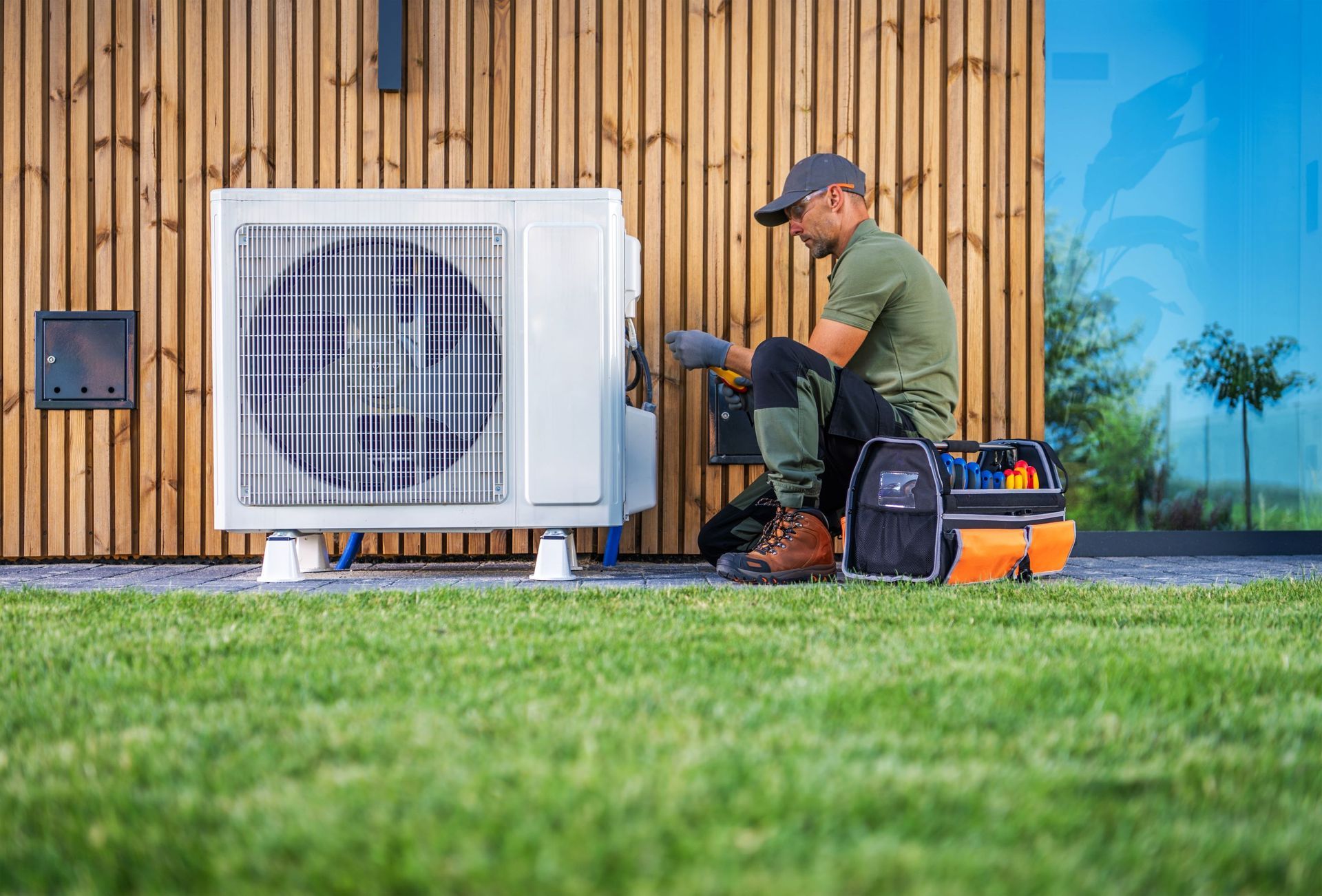
Desert climate conditions require more frequent maintenance intervals than coastal California schedules to prevent breakdowns during sustained heat. Arrowhead Heating & Air Conditioning delivers preventive maintenance programs designed for the dust accumulation and extreme temperatures that stress HVAC systems in Beaumont and surrounding inland areas. Maintenance visits inspect condenser coils for dust buildup, verify refrigerant charge without unnecessary gauge connections that can create leak points, and monitor compressor amp draw to detect mechanical wear before failure occurs.
The maintenance approach prioritizes mechanical diagnostics over invasive procedures, checking electrical components and motor operation before connecting refrigerant gauges that can introduce contamination or disturb seals. Desert dust penetrates outdoor units faster than in cleaner environments, coating coil surfaces and restricting airflow that forces compressors to work harder. Regular cleaning and inspection extend equipment life by preventing the thermal stress that leads to premature component failure during triple-digit summers.
Schedule seasonal maintenance to address desert-specific wear patterns before cooling season begins.
What Changes After Regular Maintenance
Maintenance service includes cleaning condenser coils to restore airflow, inspecting electrical connections for signs of thermal stress, and verifying that refrigerant pressures remain stable without opening the sealed system unnecessarily. Compressor amp draw readings identify motors working beyond design specifications, indicating restricted airflow or mechanical problems developing before catastrophic failure. Licensed technicians check safety controls, drain line function, and thermostat calibration to verify all components operate correctly under desert heat loads.
After maintenance, you notice the system cools more efficiently with lower electrical consumption, as cleaned coils transfer heat properly and verified refrigerant levels allow optimal operation. Equipment runs quieter without the strain of restricted airflow or loose components, and indoor temperature consistency improves as properly maintained systems cycle correctly rather than struggling to meet thermostat settings. Breakdowns decrease as worn components receive attention before they fail completely, preventing emergency repairs during peak summer heat when HVAC failures create dangerous indoor conditions.
Service records document maintenance dates, component condition, and measurements taken during each visit, creating a history that tracks system degradation over time. This documentation supports warranty claims and helps determine optimal replacement timing based on actual wear patterns rather than age alone. Maintenance schedules adapt to individual system usage and exposure, with properties experiencing heavy dust or constant operation receiving more frequent service than lightly used equipment in protected locations.
Common Replacement Questions
Maintenance program questions focus on service frequency and what procedures actually protect equipment in desert conditions compared to standard coastal maintenance schedules.
How often should desert climate systems receive maintenance compared to coastal areas?
Desert systems benefit from twice-yearly maintenance due to dust accumulation and extended cooling seasons, while coastal equipment often operates adequately with annual service given milder temperatures and cleaner air conditions.
What does refrigerant level monitoring involve without connecting gauges?
Visual inspection of frost patterns, temperature differential measurement across coils, and compressor amp readings indicate refrigerant status without opening the sealed system, preventing contamination and leak points that gauge connections can introduce.
Why check compressor amps before testing refrigerant?
Compressor amp draw reveals mechanical problems like failing motors or seized bearings that affect refrigerant pressures, preventing misdiagnosis where refrigerant adjustment masks underlying mechanical failures that will cause system breakdown regardless of charge levels.
When does dust accumulation require condenser coil cleaning?
Visible dust coating on coil fins or reduced airflow from the outdoor unit indicates cleaning needs, with severe dust exposure during windstorms requiring inspection even between scheduled maintenance visits to prevent thermal overload.
How does maintenance extend system life in extreme heat conditions?
Regular cleaning and mechanical verification prevent the compressor overheating and electrical stress that occur when restricted airflow or worn components force equipment to operate beyond design capacity during sustained triple-digit temperatures.
Arrowhead Heating & Air Conditioning applies specialized desert climate maintenance protocols developed over 14 years of service in extreme heat conditions. Call us at (909) 809-8036 to establish a maintenance program tailored to your system's exposure and operating demands in Beaumont's harsh climate.