
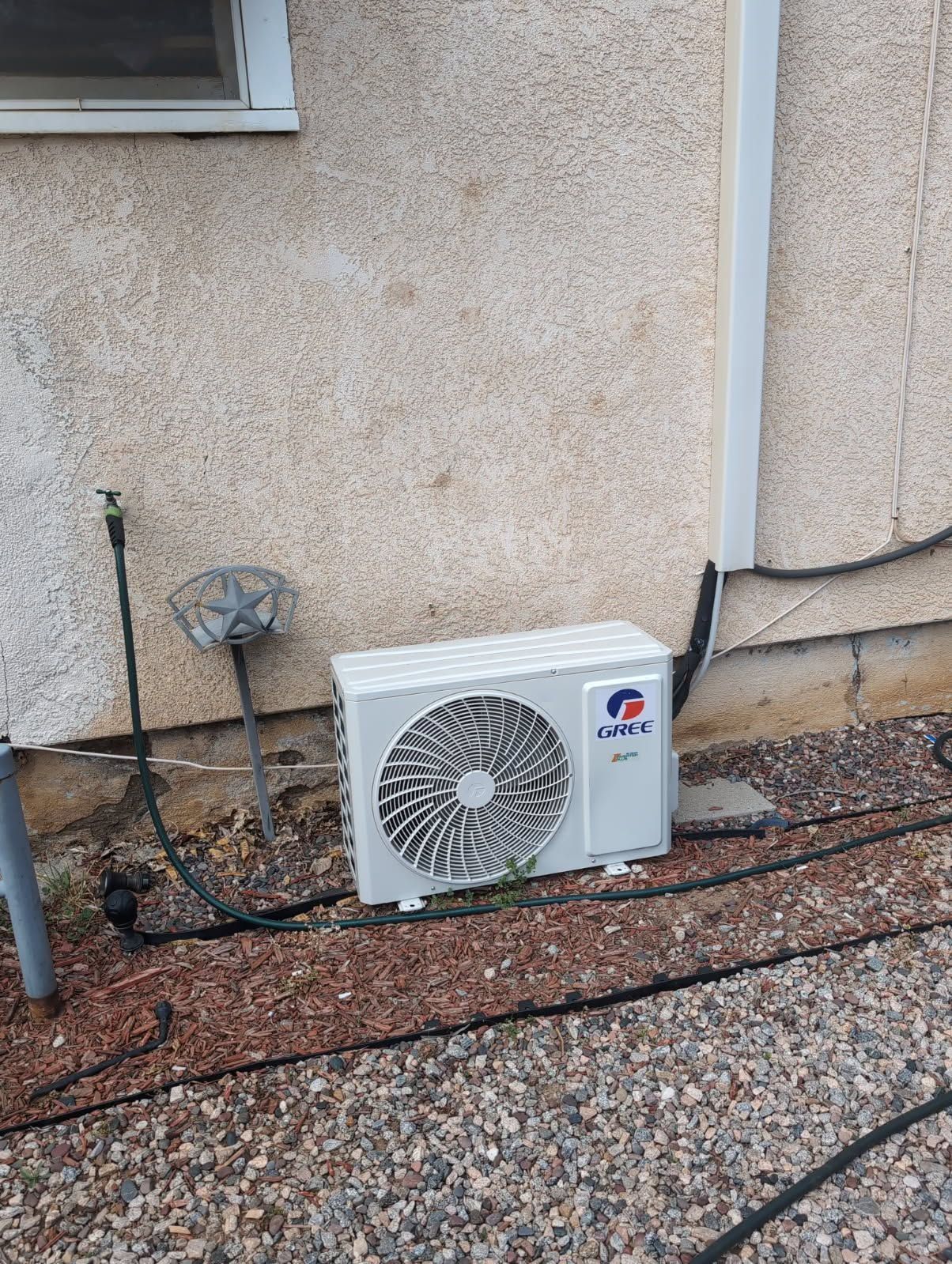
Systems Built for Desert Heat Demands
HVAC Installation in Beaumont for properties where undersized equipment fails in triple-digit summers
Arrowhead Heating & Air Conditioning installs complete HVAC systems for residential, commercial, and light industrial properties in Beaumont, working with desert-rated equipment designed for extreme heat conditions. Every installation begins with a manual J-load calculation specific to desert climate demands, accounting for the temperature differences between inland and coastal California zones. This calculation determines the actual cooling capacity needed to handle triple-digit Beaumont summers, not just the square footage estimate that leaves systems undersized and struggling.
The installation process factors in the unique stress that desert heat places on compressors and condensers, with systems often requiring larger capacities than coastal properties of identical size. Proper sizing prevents the constant runtime and premature failure that occurs when equipment works beyond its design threshold during extended summer heat waves. Desert-rated components handle higher ambient temperatures and the dust accumulation that standard coastal equipment cannot withstand.
Schedule an on-site evaluation to determine the correct system capacity for your property's cooling demands.
How Desert Climate Affects Installation Standards
Manual J-load calculations adjust for the temperature swing between nighttime lows and afternoon highs in desert climates, a range that affects how quickly buildings gain and lose heat. The calculation accounts for sun exposure, insulation levels, window orientation, and the heat absorbed by exterior surfaces during sustained periods above 100 degrees. These factors produce different cooling requirements than the milder coastal zones just 60 miles west, where standard equipment sizing often falls short when applied to inland desert conditions.
After installation completes, you notice consistent indoor temperatures even during peak afternoon heat, with the system cycling off rather than running continuously. The equipment operates within its design capacity, extending compressor life and reducing the electrical strain that causes breaker trips in undersized systems. Indoor humidity levels stabilize as properly sized equipment runs long enough to dehumidify, not just cool the air.
Installation work includes ductwork inspection to identify leaks or undersized return paths that limit airflow, along with refrigerant charge verification using actual ambient temperature and humidity readings rather than general guidelines. Each system receives startup documentation showing measured airflow, temperature drop across coils, and electrical draw at operating conditions. Licensed and insured installation follows manufacturer specifications for warranty protection and long-term reliability in desert heat.
What Property Owners Need to Know
Questions about system sizing and installation methods come up before every project, particularly regarding how desert climate affects equipment selection and performance expectations.
How does manual J-load calculation differ from square footage estimates?
Manual J calculations account for actual heat gain through walls, windows, and roofing materials under specific climate conditions, while square footage estimates use generic averages that don't reflect desert heat intensity or the thermal mass of sun-exposed structures in Beaumont.
What makes equipment desert-rated compared to standard systems?
Desert-rated components include condenser coils designed for higher ambient temperatures, compressors with enhanced thermal protection, and housing that resists UV degradation and dust infiltration during the extended cooling seasons common in inland Southern California.
When should ductwork be replaced during installation?
Ductwork replacement becomes necessary when existing ducts show significant leakage, undersized sections that restrict airflow, or deteriorated insulation that allows heat gain in attic spaces where summer temperatures exceed 140 degrees.
How long does a complete system installation take?
Installation duration depends on whether ductwork modifications are needed, electrical panel capacity for the new equipment, and access to the installation location, with most residential projects completing within one to two days once equipment arrives.
Why do some contractors recommend smaller systems than others?
Some contractors use coastal sizing guidelines or prioritize lower initial equipment cost over performance capacity, resulting in systems that struggle during desert heat and require constant runtime that increases electrical costs and shortens equipment life.
Arrowhead Heating & Air Conditioning brings 14 years of desert climate experience to every installation, preventing the undersized system problems that lead to premature failure and customer dissatisfaction. Request a detailed load calculation and equipment proposal based on your property's specific cooling requirements and desert climate exposure.